Cross Sections | March 2026
Billionaire Righteousness, Cancun Evangelism, Soccer Grannies, & More!

Super late on this one…sorry, everyone! Procrastination in full gear, here! In any case, here is the roundup of (almost) all things law, gospel, & life that captured my attention last month.
Billionaire Righteousness
A recent New York Times piece highlights a quiet shift among some billionaires who are stepping back from public philanthropy commitments like the Giving Pledge. What once carried a kind of cultural expectation to give away large portions of one’s wealth is losing momentum, as some argue their companies already serve the public good, or that traditional charity is too inefficient to justify at scale.
Beneath the surface, the conversation reveals a deeper tension about how goodness is measured. There is always a pull toward what can be quantified, demonstrated, and credited. At the same time, the question lingers whether efforts to “do good” are ever enough to settle the matter of worth, or whether our instinct to justify ourselves through output is ultimately looking for something beyond what we can produce or build.

Burgers, Burnout, & The Burdens We Carry
A promotion at Five Guys meant to celebrate its 40th anniversary quickly overwhelmed stores, as a buy-one-get-one deal drove far more demand than expected. Employees absorbed the strain in real time, navigating long lines, shortages, and system breakdowns tied to a decision made above them.
In response, CEO Jerry Murrell distributed roughly $1.5 million in bonuses to workers, not as a reward for success but as recognition of the burden they carried. The situation quietly highlights a familiar dynamic: demands are often placed on others without the means to meet them, and the weight tends to fall downward. Yet here, at least for a moment, the cost moved in the other direction, raising the question of what it looks like when the one responsible steps in to bear what others could not. Thank God for a better word through the gospel, in which the One who was not responsible, assumed the burden on our behalf…

Reinvention without Regrets…
The following article from The Independent on midlife reinvention follows a woman in her 60s who reflects on a life that never quite followed the expected script. Marriage, children, and a permanent home never materialized, and she names that reality plainly rather than softening it. The piece lingers in that tension between honest regret and the way the law tends to turn those absences into a quiet, ongoing verdict about what a life should have been.
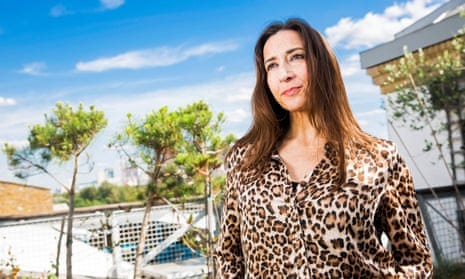
The narrative doesn’t end in resignation though. Instead, it shows how she begins to reinterpret her story, finding meaning in relationships, independence, and a kind of freedom that emerged outside the plans she once held. That shift doesn’t erase the loss, but it does refuse to let it define her identity.
The gospel speaks into that same space with a different kind of verdict. In Christ, a life is not ultimately measured by what was attained or missed, but by a righteousness given as gift, freeing us from the finality of regret and re-centering our story in what God has accomplished.
Shifting the Weight of Expectation
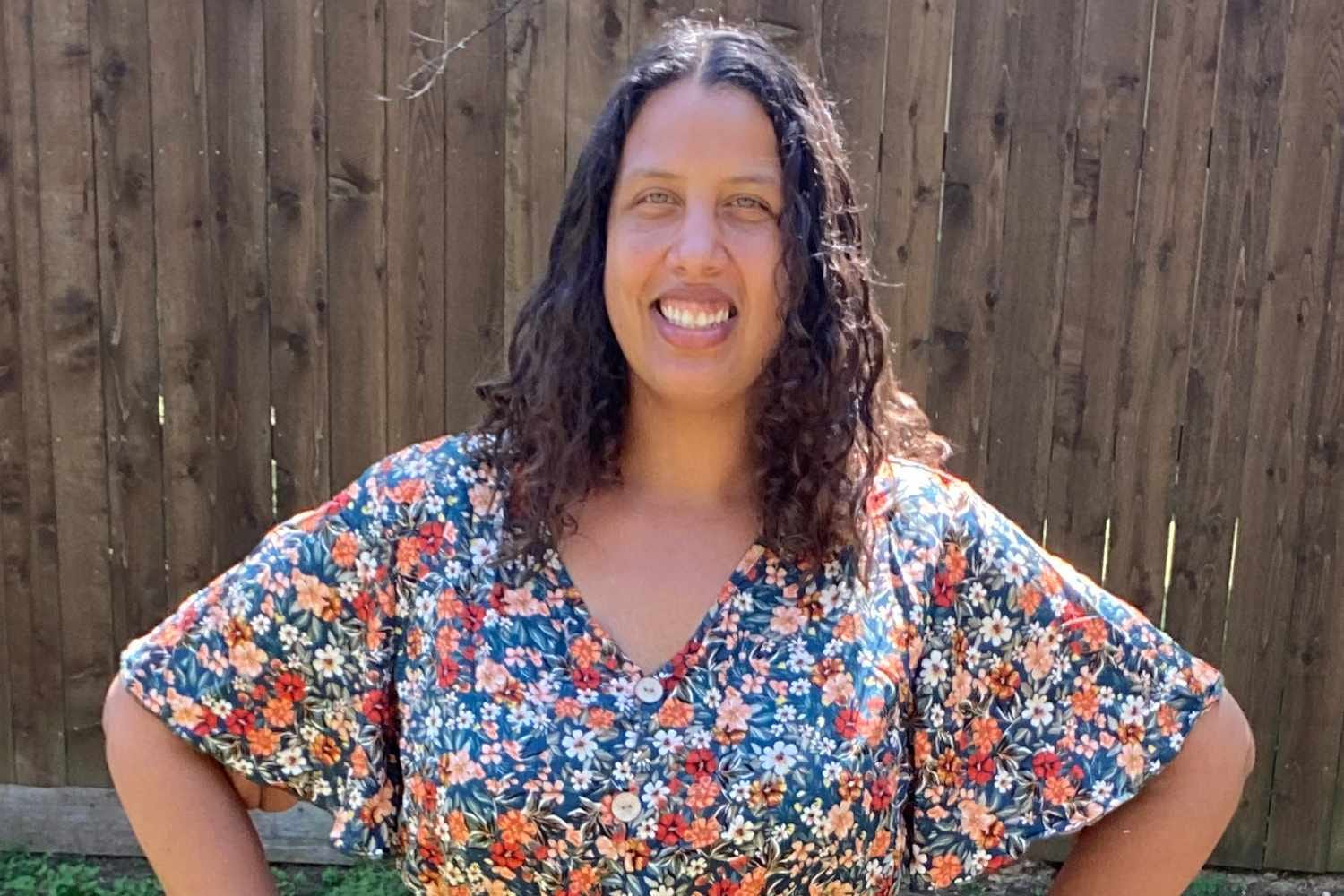
With this next piece, we shift the lens forward to a People magazine article about a 38-year-old woman who, after major weight loss, is stepping into dating for the first time with a renewed sense of confidence. Her story isn’t just about change on the outside, but a shift in how she sees herself and what she now believes is possible. While our previous story looked back with “what ifs,” this article looks ahead with newly opened doors. Together they reveal a common thread: we often delay the good we long for, whether out of fear, self-protection, or doubt. The law exposes that tendency in all of us, while the gospel meets us there with a deeper invitation. Not to become ready by our own efforts, but to receive what we could not secure on our own, and step forward into life already given.
Spring Break & A Better Sabbath…
Spring Break is often a search for rest, though expressed through escape and hedonistic indulgence rather than true renewal. In that sense, it functions like a distorted sabbath—one pursued by effort, distraction, and temporary relief.
A CBN News episode highlights “Reach Cancun,” led by Scott Langemeir, where 48 volunteers entered that environment with a different invitation. Meeting people where they were, the team brought the message of the Gospel into the middle of the beaches through music, testimony, and conversation.
Rather than competing with the setting, the outreach engaged it at its point of longing, offering a rest that is received rather than earned. In that context, moments of clarity and connection led to 22 baptisms and many meaningful encounters, suggesting that even in places shaped by distraction, deeper rest is still being sought—and found.
Aging and Dying with Grace

In my regular rhythm of watching the PBS NewsHour, two stories considered how we face the imminence of aging, illness, and death.
One followed a man with a terminal diagnosis who spoke openly about wanting to die “on his own terms”—not just to avoid pain, but to preserve a sense of dignity, of still being himself to the very end. (Watch here) It’s a deeply modern instinct: to hold the reins, even at the edge of life.
Then came a lighter, almost joyful counterpoint: a group of “soccer grannies” in South Africa who refuse to let age or illness define them. What began as simple walks became teams—hundreds of women reclaiming movement, community, and even a bit of play. (Watch here).
Placed side by side, the stories felt like two responses to the same question: what do we do when the body begins to fail? One reaches for control over death; the other presses into life with surprising creativity. Both are searching for dignity. Both, in their own way, are reaching for meaning all the way to the end.
Psalms in Jazz
For new music (well, new to me) discoveries, we have this novelty piece! Last month, I stumbled across Reavō Worship, which leans into a slower, more reflective space—jazz-infused worship that feels closer to the Psalms than a playlist. It doesn’t rush past tension. It sits in it, breathes in it, and lets truth unfold at a human pace.
If you’re looking for something to sit under while you study, write, or work, this makes for a steady, thoughtful backdrop. Be sure to check out the link below!
For those who want to do a deeper dive, you can also listen on Spotify by visiting the link below:
In Memoriam: John M. Perkins
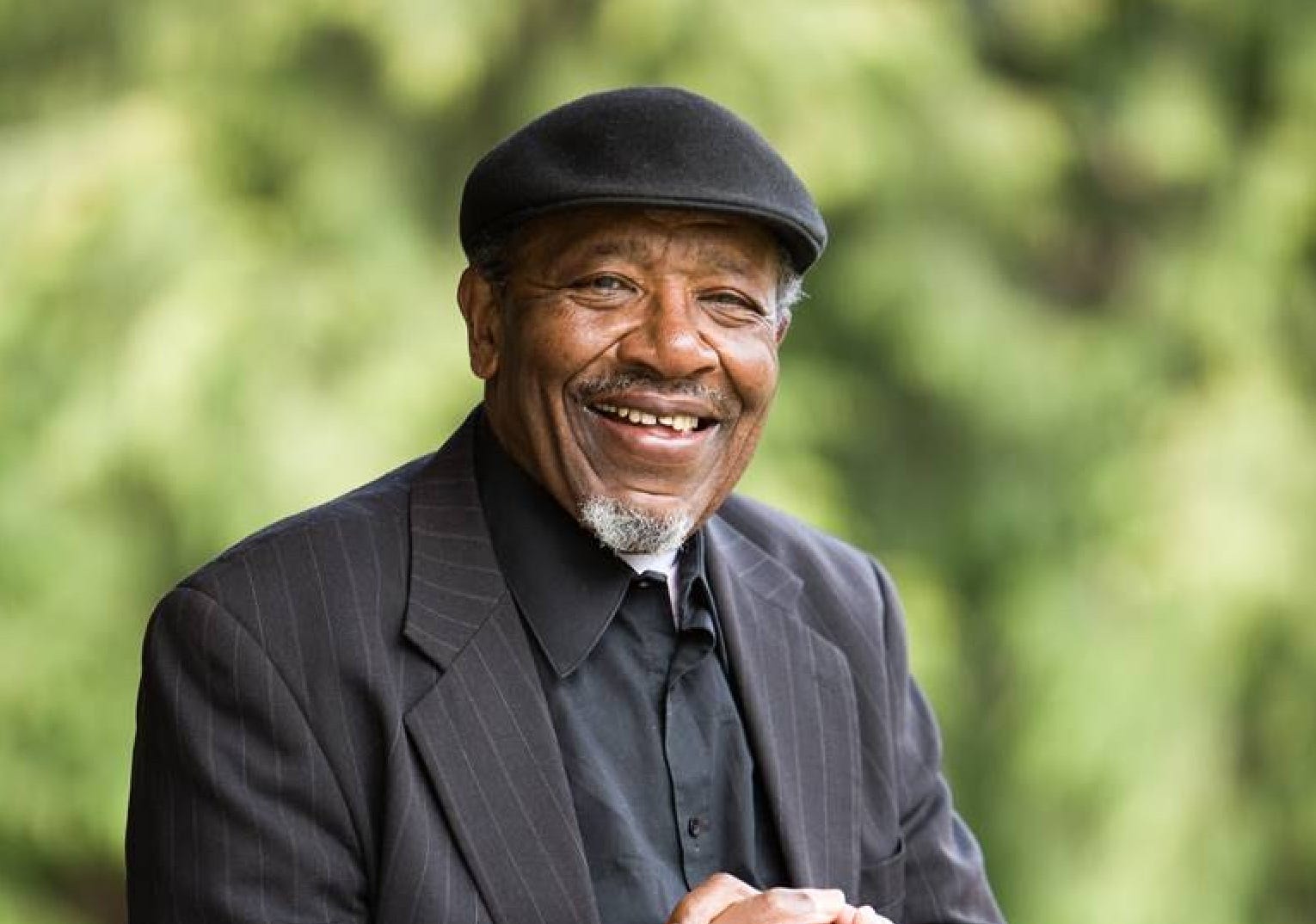
A few years back, when a local church purged its library & resource center, I packed my (long gone) 2003 Dodge minivan with several titles, including works by John M. Perkins. This turned out to be one of those quiet providences where a bookshelf outgrows its owner before the story behind the pages is even known. At the time, I didn’t realize who Perkins was as a minister, author, or voice in the civil rights movement.
Recently, news of his death at 95 surfaced alongside reflections from voices like Jemar Tisby, PhD, which stirred my curiosity and nudged those long-sitting volumes back into my consideration. I’ve now begun reading his autobiography, Let Justice Roll Down, with plans to work through more of his writings this year as time allows. What once sat untouched is now becoming a conversation across pages, inviting me to listen in on a life that has quietly shaped both church and culture.
‘End of Days’, and Calculated Risks
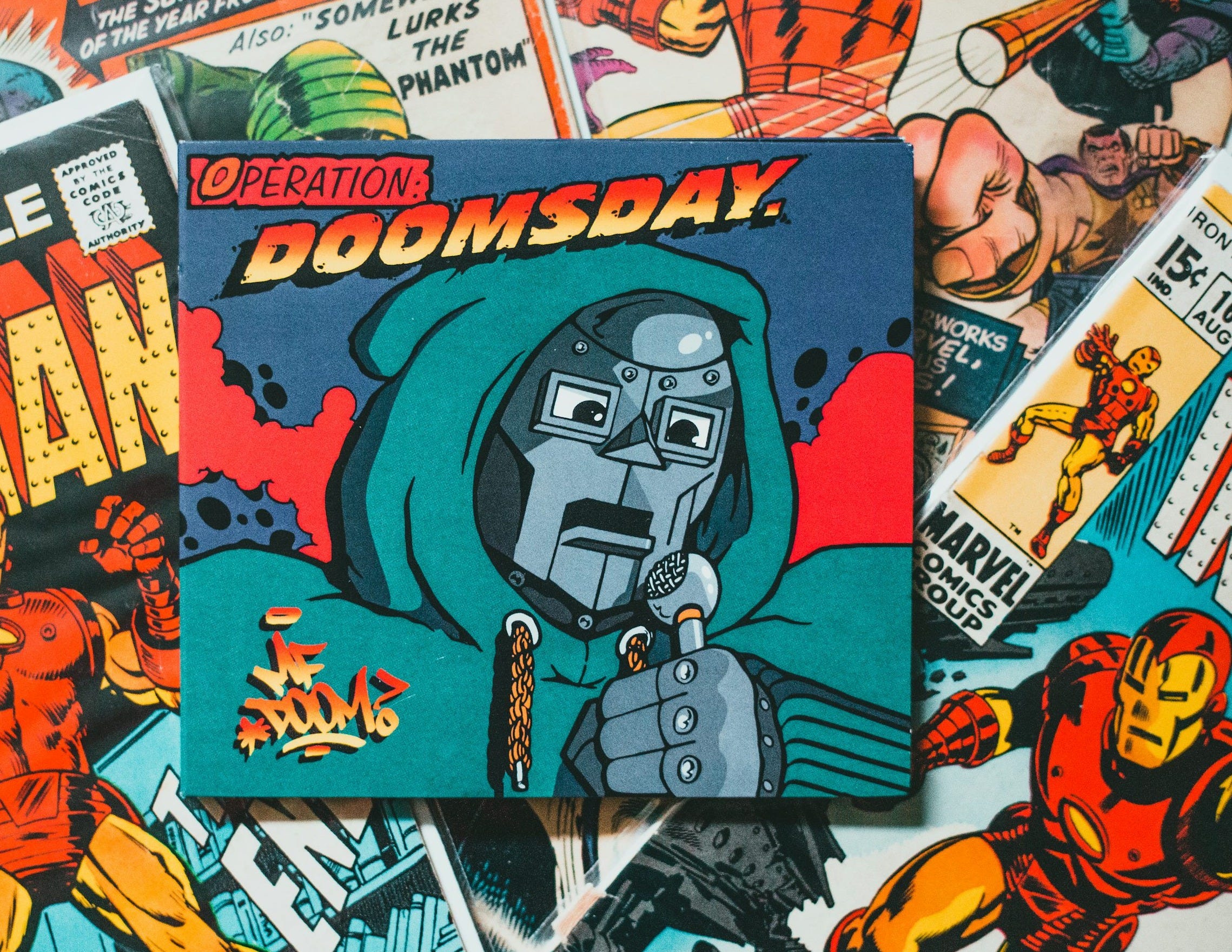
According to an article by IFLScience, a recent survey found that nearly one-third of Americans believe the world will end within their lifetime. The study of over a thousand respondents also noted that people tend to imagine different causes for that end, ranging from climate change and nuclear war to artificial intelligence or even divine judgment, and that these beliefs shape how they interpret current events and risks.
That mix of certainty, anxiety, and speculation seems to reflect something deeper than headlines or polling data. Whether people lean toward human-driven scenarios or something more transcendent, the underlying awareness is the same: the world feels fragile, and our grip on the future is limited.
Thankfully, there is One who remains unlimited not only in knowledge, but in grace, mercy, and compassion. The good news of the gospel is that such a One maintains a steadfast grip on us, holding history itself in His hands with a promise that is not shaken by the uncertainties we try to map or manage.
More Homegrown Discoveries…
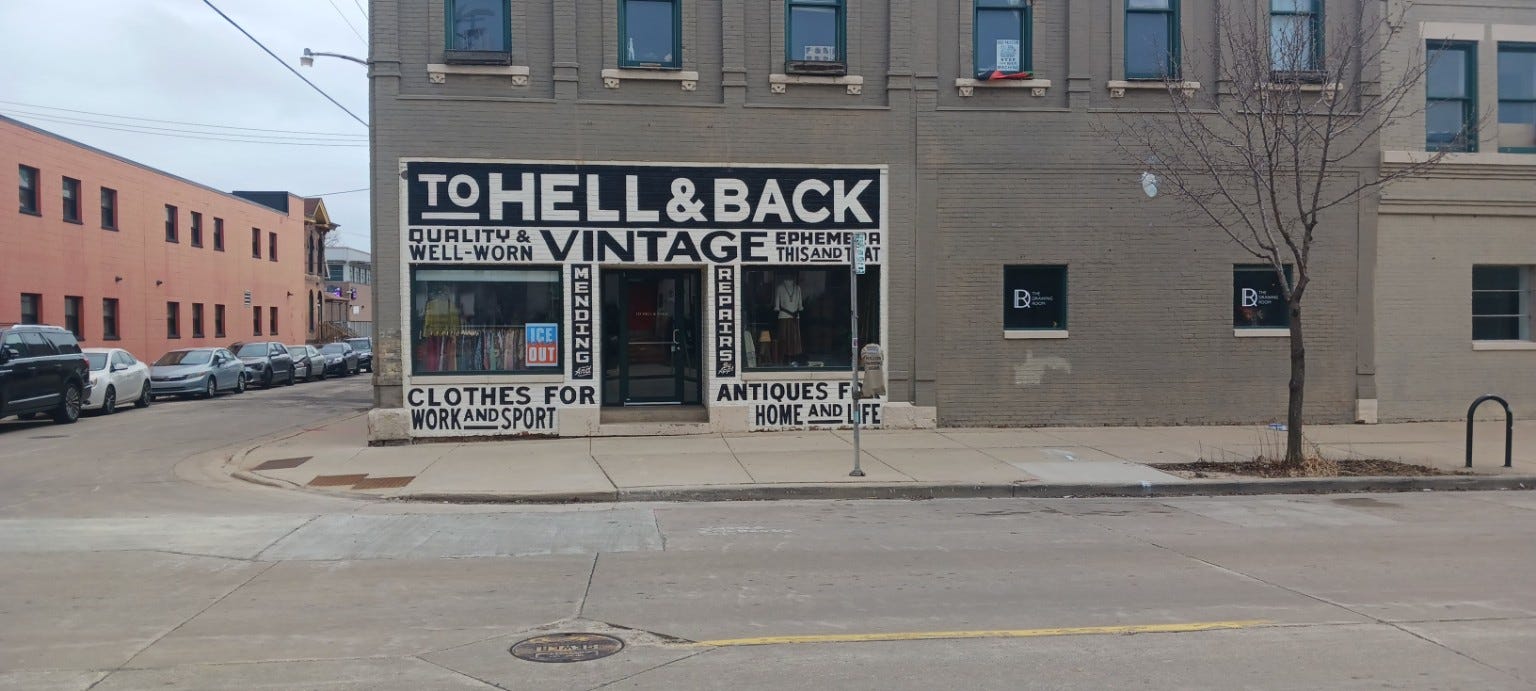
I absolutely love stumbling across hometown artifacts that exude law/gospel implications! This local boutique caught my attention last month as I was leaving a meeting one afternoon. I mean, it speaks for itself…and just in time for Eastertide to boot…